Families rarely prepare these decisions much in advance. Regularly, an autumn, a brand-new medical diagnosis, or the slow creep of caregiver exhaustion brings the concern to the table: should we check out assisted living, or can we arrange at home senior care and keep Mom where she is? I have rested with lots of family members at that crossroads. The ideal choice depends much less on an abstract preference and more on concrete truths, like the bathroom format, drug intricacy, evening roaming, and the state of the family members's endurance and budget.
What follows is a based contrast, attracted from genuine instances and the beehivehomes.com sort of trade-offs individuals only acknowledge as soon as they are in the thick of it. There is no one-size response. There are, however, patterns, expense varieties, and indication that help you choose with eyes open.
What "assisted living" actually gives, and what it does n'thtmlplcehlder 6end. Assisted Living neighborhoods are developed for older adults that need assist with day-to-day tasks however do not call for the constant medical oversight of a nursing home. In method, that means assist with bathing, dressing, grooming, toileting, and drug monitoring, plus dishes, housekeeping, and activities. A lot of neighborhoods team with caregivers and med techs around the clock, with a nurse on site or on call. The apartment is exclusive, commonly a studio or one-bedroom, with an accessible bathroom and emergency situation pull cables. The society varies widely. Some seem like a dynamic condominium with a solution overlay. Others are quieter, with more scientific undercurrents. There are limits that family members sometimes miss out on during the trip. Assisted living is not one-on-one care. Staff-to-resident proportions might look like one caregiver for 10 to 15 locals during the day, stretching thinner at night. If your dad requires a person literally next to him to stop falls whenever he stands up, you will certainly either supplement with a personal caretaker or take into consideration a greater degree of treatment. Medical care is helpful, not intense. The group will certainly coordinate with outdoors suppliers, however they are not a skilled nursing facility. If insulin dosing is made complex or the oxygen requirements are unsteady, the fit might wobble. The huge advantage is predictability. Meals get here whether you go shopping or not. The shower is roll-in and the water temperature controlled. Somebody is awake at 2 a.m. if an alarm system sounds. Social get in touch with happens without a cars and truck adventure. Family members usually report that the worry dial declines a few notches, even if the initial month is bumpy. What at home senior care can do magnificently, and where it strains
In-home Senior citizen Treatment spans from a few hours a week of friend check outs to 24-hour protection. Nonmedical home care agencies send caregivers that help with bathing, clothing, light housekeeping, meals, transportation, and supervision. If your mom has strong emotional roots in her home, if a beloved canine sleeps at her feet, if the garden is her therapy, staying might preserve regimens that stabilize mood and function. For those with early memory loss, familiar environments reduce agitation and confusion. For those recuperating from surgery, home health and wellness services, which are medical and usually covered by insurance for a time, can layer in experienced nursing and therapy visits.
The tension factors turn up with complexity and time. If requirements are recurring, like two showers a week and a few experiences to consultations, at home care shines. If requirements are scattered across the day and night, the prices add up quickly unless the family covers numerous hours themselves. Nighttime concerns, like sleeping disorders, straying, and sundowning, alter the calculus. An over night caretaker is a video game changer, but paying for seven nights a week at private-pay prices adds up to a mortgage-sized expense. Homes themselves can withstand the task: narrow hallways, staircases with no rail, a tub that requires a climb, toss carpets that launch drops. Retrofitting can work marvels, but some layouts battle you.
Then there is the human variable. The very best firms strive at consistency, however caregivers have lives, diseases, and turnover. Even a secure case usually includes substitutes. Some elders adjust. Others turn down the concept of a "stranger" in your home and mess up the plan. Family members typically find themselves as schedulers-in-chief, negotiating protection, filling voids, and fielding final texts.
About the cash: practical ranges and what drives them
Families are entitled to simple numbers. Rates differ by region, but the auto mechanics correspond across the United States.
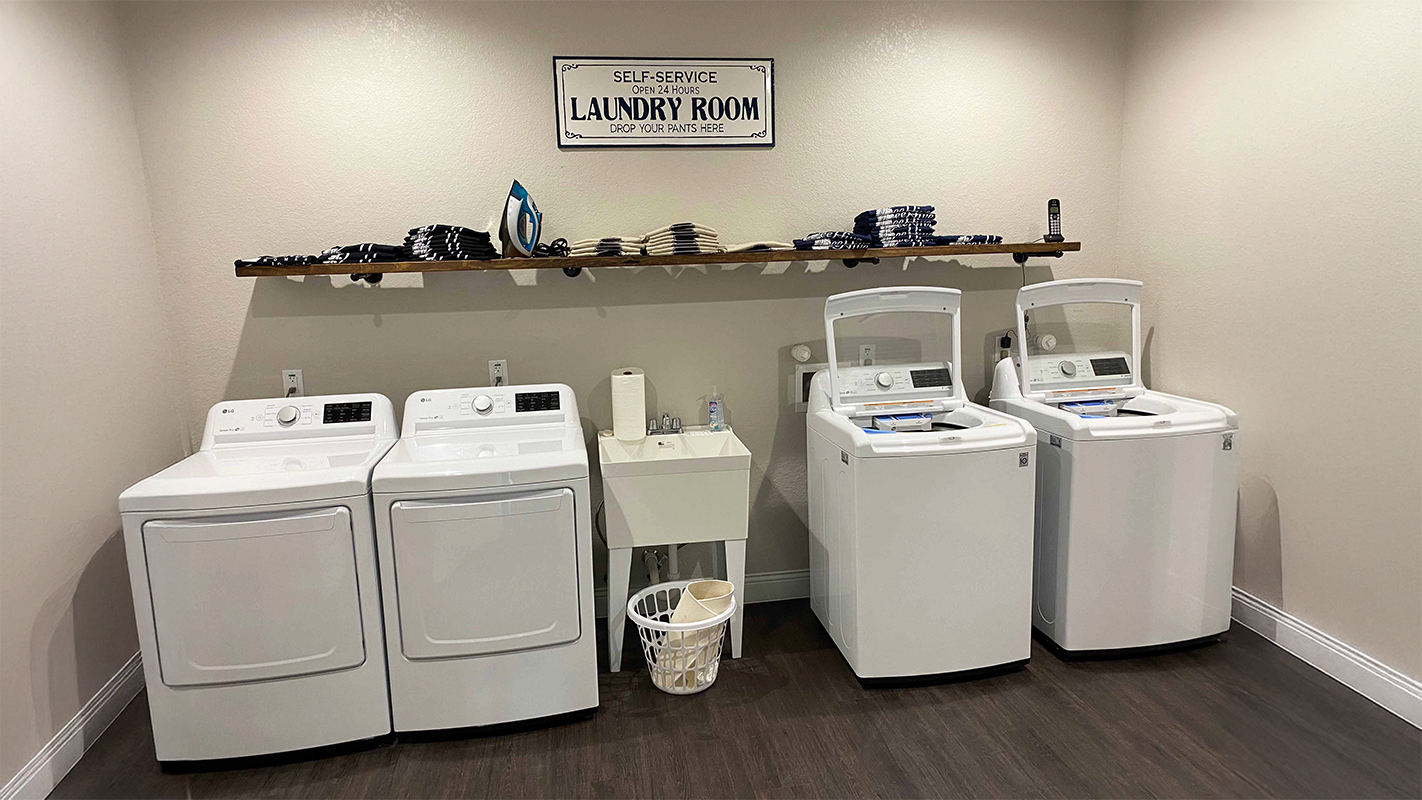
Assisted Living typically charges a base regular monthly rent plus tiered treatment charges. In lots of markets, the base for a workshop runs between 3,500 and 5,500 dollars each month, with one-bedrooms climbing up from there. Care levels layer on 500 to 2,500 bucks or even more, relying on demands like help with transfers, urinary incontinence, or drug monitoring. Memory Care, which is a protected setup tailored to mental deterioration, commonly starts higher, typically 6,000 to 9,000 dollars monthly, occasionally a lot more in major city locations. Expect an upfront neighborhood fee, frequently equivalent to one month's lease or a flat 2,000 to 5,000 dollars. Wire, phone, and often individual laundry might be added. The lift pitch is all-encompassing, however read the solution strategy. Companions to dishes, nighttime checks, or two-person transfers can add cost.
In-home care is commonly billed per hour, with an usual firm minimum of 3 to 4 hours per browse through. Hourly prices in lots of locations land between 28 and 40 dollars for nonmedical care, greater in coastal cities. Live-in setups, where a caretaker rests on site, are billed every day, usually 300 to 450 dollars, but real 24-hour wide awake care is billed per hour, not as live-in, since no person can securely work around the clock. For a harsh spending plan, eight hours a day, seven days a week at 32 bucks per hour is about 7,168 dollars per month. Twenty-four-hour protection can surpass 20,000 bucks month-to-month with agencies. Hiring privately can be less costly, however you become the company and take on pay-roll tax obligations, workers' compensation direct exposure, vetting, and backup coverage.
Insurance assists in limited methods. Medicare does not pay for long-term custodial care, whether in your home or in assisted living. It will cover recurring home wellness after a certifying need, however that is time-limited and professional, not showering and food preparation. Lasting treatment insurance policy, if bought years earlier, can fund either establishing, though policies vary on daily advantage caps and removal durations. Veterans' Aid and Presence can give several hundred to over a thousand dollars monthly for qualified veterans and enduring partners. Medicaid can cover assisted living or in-home services via waivers in numerous states, but accessibility depends upon both economic credentials and program ability. Waiting lists prevail. Before you presume aid is difficult, ask a regional aging services office or a reliable senior care consultant to map what exists in your state.
Memory care for parents: when mental deterioration alters the decision
Dementia is where the lines between settings issue. Households frequently ask whether to keep a parent at home with a companion, or transfer to Memory Treatment. The solution depends upon security, habits, and caretaker strain. Early, a couple of hours a day of cueing and companionship at home might be perfect. As symptoms progress, 2 things often press the decision: evening roaming and unpredictable actions. I have worked with family members whose loved one switched on the stove at 3 a.m., went out the front door, or came to be dubious and physically resistant to aid. In those cases, a Memory Care area offers a guaranteed atmosphere with alarmed doors, staffing that anticipates actions and understands redirection strategies, and structured days that moisten agitation.
That said, Memory Care is not a magic stick. The atmosphere matters. Some neighborhoods are boosting in a good way, with quiet spaces for unwinding. Others feel overwhelming. If your moms and dad is a long-lasting autist, a small home-like setting, often called a household treatment home or board-and-care, can be gentler than a 60-apartment unit. If Dad still strolls a mile a day and likes the backyard, a fenced garden in your home may maintain him longer than a secured hallway. Beware of the void between advertising and marketing and method. Ask just how they handle a local who refuses a shower, or one that packs a bag daily to "go to work." The response tells you if team are learnt mental deterioration treatment or winging it.
The lived experience: just how it really feels day to day
Numbers and services issue, yet day-to-day live is much more granular. Here are scenes I have actually seen play out.
A retired nurse, widowed, with light Parkinson's and near-perfect executive feature, relocated to aided living due to the fact that she was tired of the home job. She flourished. She placed on five required extra pounds because she stopped missing lunch. She handled the informal librarian function in the community. The trade-off she approved was much less control over timing. Dinner got to 5:15 p.m., not 7 p.m., and a different caregiver might assist on Tuesday than on Wednesday. She liked the predictability of help greater than the autonomy of being alone.
A pair in their late eighties wanted to stay at home. He had mental deterioration, she did not. They tried agency caregivers 3 days a week and loved two of the four that turned. The third sufficed, the 4th had a perfume that triggered headaches. They enjoyed, until he started waking at 2 a.m. repeatedly, setting off motion sensors and surprising her conscious. They included overnight care 2 evenings a week. After a month, she admitted the various other five nights were ravaging her sleep and heart rhythm. Relocating him to Memory Care enabled her to be his spouse and advocate again, not his exhausted warden.
A boy urged his mommy would not leave her residence. She dropped in the bathroom. The tub had a 17-inch side, impossible to step over securely despite having grab bars. They mounted a walk-in shower and a portable showerhead, plus an elevated bathroom seat with arms. A part-time caregiver came four early mornings a week to aid with showering and to prep meals for the day. They included a medication dispenser with timed alarms because her pill count was a mess. It functioned, since her requirements were clustered in the morning and she rested at night. The investment in the washroom spent for itself compared to a move.
These are not global end results, yet they illustrate the joint factors that matter: timing of requirements, over night habits, atmosphere, and medication complexity.
Safety, guidance, and error rates
Care has a mistake price. That may appear severe, yet it is truthful. In assisted living, one of the most common mistakes are delays. Your mother presses a phone call pendant, and it takes 10 minutes for somebody to get here because an additional resident fell. The worst events I have seen in assisted living commonly include homeowners who needed even more supervision than the design can supply, like an unsteady pedestrian who demands going alone to the bathroom after midnight. Supplementing with exclusive one-to-one care inside the neighborhood is an alternative, however it adds cost.
At home, the errors usually include variance. A caretaker might not show up on time, leaving your daddy alone longer than planned. A relative might presume the agency caretaker managed the noon tablets when the job was no more on the care strategy. The physical atmosphere contributes, also. A rosy-cheeked home can conceal hard edges, like scatter carpets, reduced illumination, and stairs without any contrasting tape on the edge. You can minimize these threats through easy solutions. Light up hallways in the evening with motion-sensing lights. Eliminate rugs or tape them down. Mount a shower chair, not just grab bars. Add a bed alarm system if straying is a danger, however consider whether it will certainly surprise and create a fall. Calibrate treatments to the person.
Social life: loneliness, excitement, and control
Social call underpins health and wellness. Helped living communities offer an instant area. The schedule typically consists of exercise classes, music, talks, crafts, and trips. Whether your parent gets involved is an additional tale. Some sign up with every little thing. Others prevent group activities and still gain from casual interactions in hallways and dining-room. Seclusion is possible in any kind of setting, however it is more difficult to be totally alone in assisted living if dishes are shared.
At home, social life calls for logistics. For seniors who drive securely or have family members nearby, it can be rich. For those that quit the vehicle and stay in a suburban dead end, days can stretch thin. Seniors that claim they choose home occasionally suggest they favor control. Think about crossbreed solutions: grown-up day programs a couple of days a week, church groups that arrange rides, or a friend caretaker understood for attracting people out. If your mother was the one who constantly hosted Thanksgiving, losing that function can strike identification hard. Welcome her to maintain functions, scaled to energy. Ask her to be "chief taster" for a family members recipe evening or host a tea with a neighbor and the caretaker supporting in the kitchen.
The household caregiver's bandwidth
Care strategies live or die on the energy of family caregivers. I have actually seen adult kids build schedules deserving of an air website traffic controller, only to wear out by month 3. Be sincere regarding who will do what, when, and for how much time. If you are the only kid in town and you additionally have a full time work and two teens, a strategy that relies on you covering most nights will certainly collapse. It is not an ethical failing, it is math.
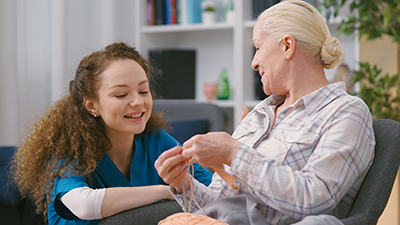
Respite matters. Helped living and Memory Treatment can work as break, also if the lasting strategy is home. A brief keep of two to four weeks after a hospitalization lets the older regain stamina while you regroup and readjust your home. Some assisted living areas offer equipped respite areas. Insurance hardly ever pays for this, but the modest premium over the month-to-month price can be worth it for the lift it provides the family system.
Red flags that recommend you should lean one method or the other
Here is a short, practical listing of tipping-point signs, gathered from years of analyses and family meetings.
- Consider assisted living or Memory Treatment if needs are frequent throughout the night and day, if two-person transfers are required, if roaming has actually occurred, or if caregiving is rotating amongst tired member of the family without any relief in sight. Consider in-home care if aid is clustered at predictable times, if the home can be ensured with modest changes, if a spouse or grown-up kid lives nearby and is willing to collaborate, and if routines in the house assistance health more than an action would.
If you are still stuck, attempt a time-limited experiment. Dedicate to 60 days of enhanced in-home support, with a clear schedule and contingency plan if nights become unsafe. Or trial an assisted living break keep, with a reserved right to return home if it does not fit. Decisions really feel lighter when you are not acting they are forever.
Costs past money: autonomy, identity, and friction
Every selection invests, not just dollars. Moving to assisted living invests some autonomy. Meal times are set, and there is a roomie down the hall that plays the TV a little loud. Staying home spends energy and unpredictability. If a caregiver no-shows, you scramble. If Mom refuses a shower for 5 days, you may become the crook. It is common for grown-up children to project their very own preferences. Pause and ask your moms and dad what issues most daily. Some will certainly claim privacy. Others will state safety. A couple of will certainly shock you with humor. One dad informed me, Park me where the coffee is warm and the paper gets here before 7 a.m. That, he said, is civilization.
Consider the shift prices. Relocations are hard, but they are additionally limited. The first 2 weeks in assisted living can be rocky as brand-new routines clear up. In-home care has a slower burn. The frictions are smaller sized yet duplicated: scheduling, secrets, instructions left on the counter, introductions to brand-new caregivers.
How to vet quality: questions that disclose the truth
Tours and sales brochures tell component of the tale. Direct concerns, asked without apology, reveal more.
- At an assisted living or Memory Treatment neighborhood, inquire about overnight staffing numbers, the typical response time to pendant phone calls, and just how usually care plans are upgraded. Satisfy the registered nurse, not just the sales supervisor. Ask for instances of how they took care of an autumn last week and a resident that declined medications. Consume a meal in the dining-room and enjoy just how team speak to locals. Stand near the elevators at shift modification, not simply during the tour hour. For in-home treatment, ask the firm concerning back-up protection, exactly how they deal with a late or missing caretaker, and whether you satisfy the caretaker before the initial shift. Clarify that educates on the care plan and exactly how adjustments are interacted. Verify their workers are W-2 staff members covered by employees' compensation. If they suggest live-in treatment, ask how many nonstop hours the caregiver will sleep and that covers during those hours if your moms and dad requires help.
You are not being difficult. You are doing due diligence for Senior citizen Care.
The special case of assisted living for a moms and dad at a distance
Adult children who live away deal with extra pressure. If you are a two-hour trip from your mommy, at home care calls for a regional point individual, paid or family members. Helped living can give the oversight you can not deliver from afar, yet it is still worth setting up a regional supporter. Take into consideration hiring a care supervisor, in some cases called a geriatric treatment supervisor or maturing life treatment expert, for periodic check-ins and to attend care strategy meetings. A month-to-month record with photos and notes is gold when you can not go down in.
Distance likewise affects emergencies. If your papa remains in aided living, an autumn triggers a telephone call from the nurse, and they arrange the hospital transfer. If he goes to home with a caregiver, the firm trains for emergency situations, yet the caregiver might be alone and rattled. Both situations can function. The difference is that collaborates in the very first disorderly hour.
Building a reasonable budget plan and timeline
Most households underestimate 2 points: how much time the requirement will last and how rapidly costs can rise with intricacy. Map a base instance and a stretch instance. If the base situation is two years at 6,000 dollars each month for assisted living, ask what takes place if it becomes four years with memory treatment fees pushing the total amount to 8,500 bucks. If the home treatment base instance is 30 hours a week, price 60 and 80 hours. If the numbers break the strategy, bring that into the open. In some cases offering a house previously instead of later funds much better care and lowers danger. In some cases moving in with a member of the family works well for a period, particularly if you can carve out genuine respite and personal privacy on both sides.
When to take another look at the decision
Care plans are living papers. Triggers for reevaluation include a hospitalization, a new loss with injury, considerable weight reduction, increased incontinence, or brand-new habits like straying, hostility, or concealing medicines. On the household side, think about caregiver health. If the key spouse-caregiver's blood pressure spikes or the adult kid's job is at danger, that is a trigger also. Arrange formal testimonials. For assisted living, attend quarterly care conferences and request for information, not simply impacts. For home care, hold monthly check-ins with the company manager and the caregiver, even if it's working out. Tiny training course corrections very early stop crises.
A quick story of a pivot done well
A little girl called after her mommy, a former instructor with progressing Alzheimer's, started losing her dentures and accusing the postman of theft. She lived alone on a quiet street. They started with daily mid-day at home treatment, the home window when sundowning hit hardest. The caregiver was a retired art specialist who brought watercolors and songs. It helped 4 months. Then evening roaming started. They added an over night caretaker three nights a week, but the rest disturbance on off nights left her mother tired and the little girl nervous. After a household meeting, they arranged a respite month in Memory Care. The staff coaxed her right into a rhythm with acquainted tunes from her mentor years and an early morning strolling club. The child checked out most nights, usually signing up with the team for a challenge. After three weeks, her mom stopped asking to go home and began asking when the music started. They made the move long-term. The daughter's voice changed, lighter. She stated, I can be the little girl again.
That arc is not global, yet it prevails sufficient to map a path: start with the least turbulent support, include structure as requirements grow, move setups when safety and sleep tip the scale.
Final ideas to direct a confident choice
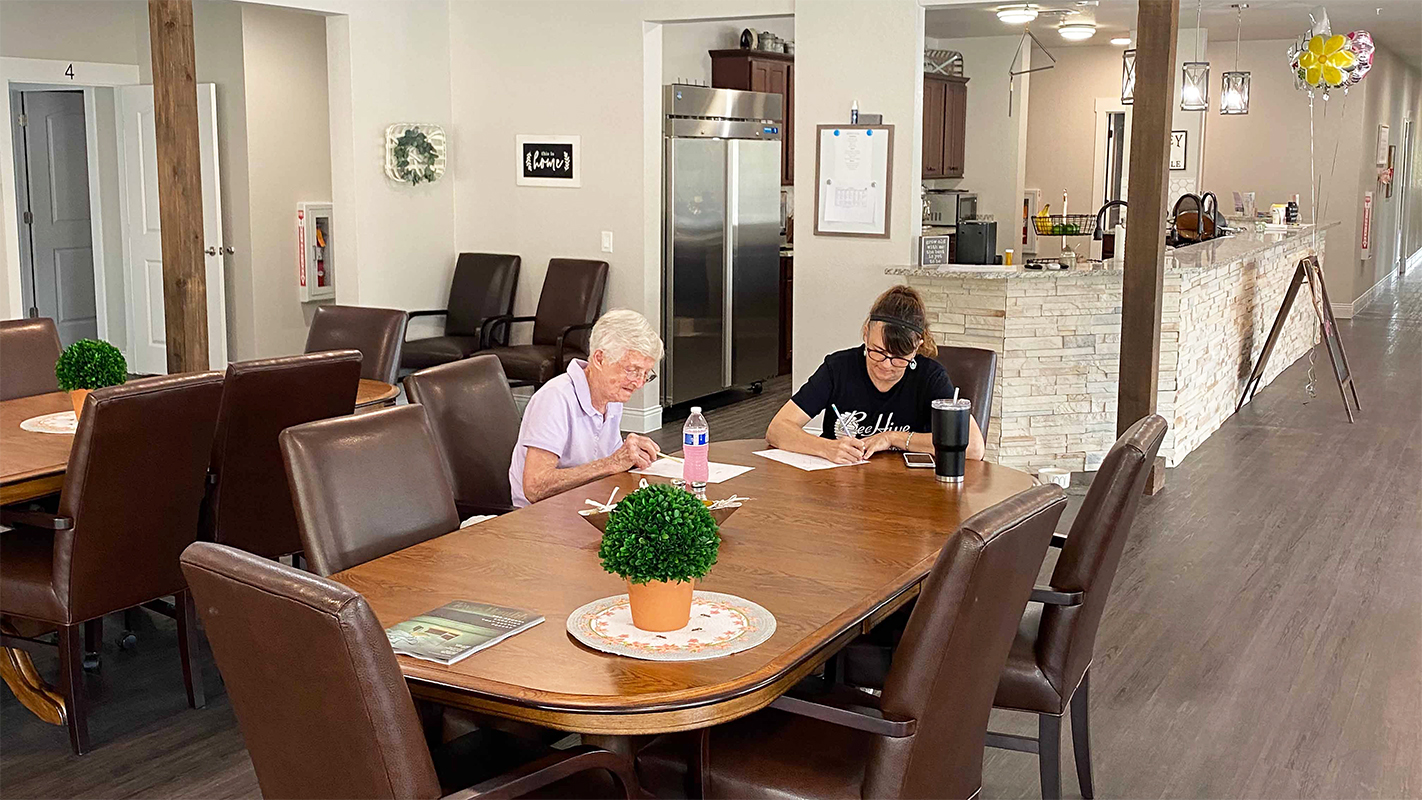
You are choosing in between 2 great choices, each with rubbing. Helped living deals structure, social life, and 24-hour coverage, at the price of some freedom and a monthly cost that is substantial however predictable. In-home elderly care preserves place, animals, and rhythms, with prices that scale with demand and a monitoring load that rests on the family members's shoulders. Memory care for parents with mental deterioration is a specific subset, justified when habits or safety overtake what a home can absorb or when the family members's health is at risk.
Start with the person, not the setting. List what issues most to them in average language: warm coffee early, the pet cat on the bed, a safe shower, somebody nearby in the evening, a yard, a silent room. Build exterior from that. Walk the mathematics, consisting of the worn out days and the 2 a.m. hours, not simply the sunny mid-days. Ask candid questions of suppliers. Trial, step, and adjust. Great Senior Care is not a solitary decision, it is a collection of prompt, humane calls made with clear eyes and consistent hearts.
BeeHive Homes of Crownridge Assisted Living
Address: 6919 Camp Bullis Rd, San Antonio, TX 78256
Phone: (210) 874-5996